Ananta vs Genshin Impact: Key Differences Explained
Last updated: 29 June 2026
Ananta and Genshin Impact are often compared because both are open-world action RPGs from Asian studios. But beyond the surface-level genre label, they are very different games. Here's a complete breakdown of how they compare.
The Most Important Difference: No Gacha
Genshin Impact built its entire business model on the gacha wish system. New characters are released on limited-time banners, and obtaining them requires Primogems (earned slowly in-game or purchased). The pity system guarantees a 5-star character at roughly 90 pulls — but the specific character you want requires additional constellation pulls.
Ananta has no gacha system for characters at all. Every playable character is unlocked through story progression. You play through the game and characters become available — no currency, no pulls, no pity system required. Monetization is limited to cosmetics such as outfits and vehicle skins.
If Genshin's gacha spending was your main friction point, Ananta is built from the ground up to solve that problem.
Setting and Tone
Genshin Impact takes place in Teyvat, a high-fantasy world with elemental gods, floating islands and anime aesthetics. The tone is generally lighthearted, with detailed lore spread across regions.
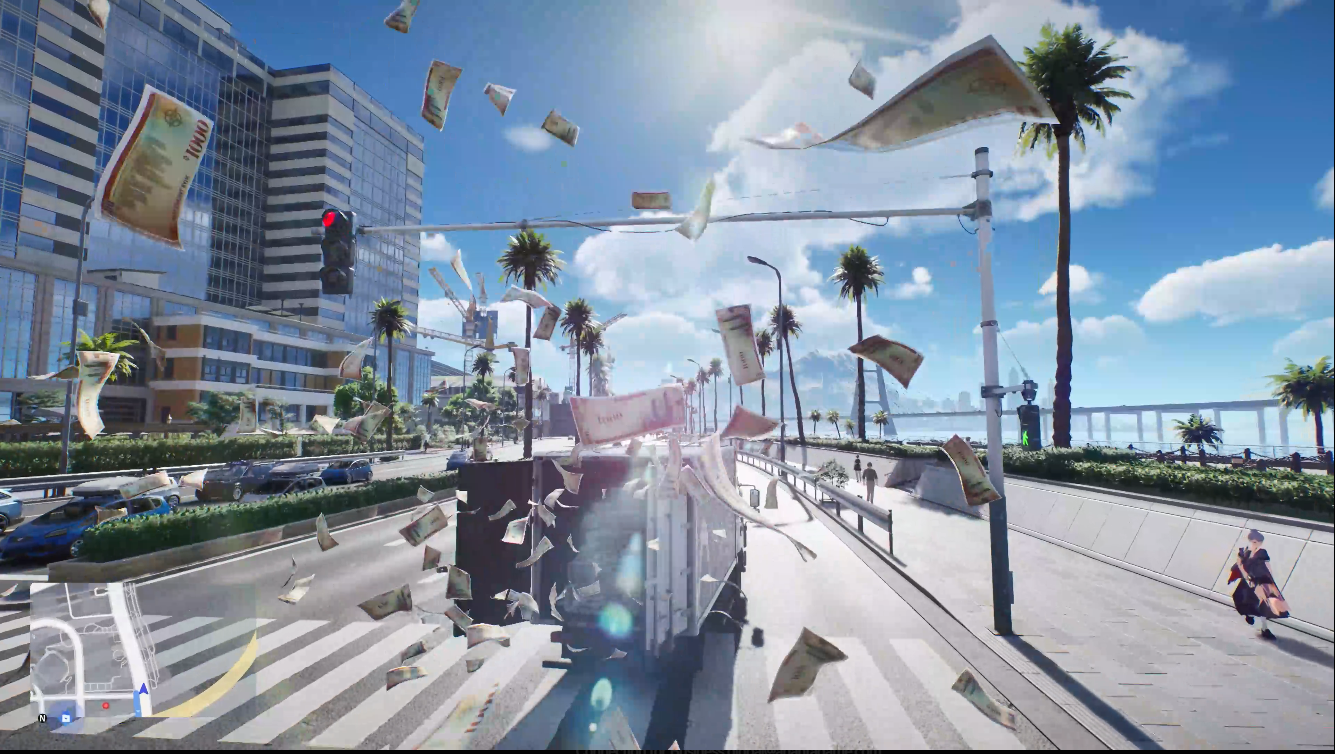
Ananta is set in Nova City, a dense modern metropolis. The tone is grounded and urban — think heists, street combat, hacking, night clubs and player housing alongside traditional RPG mechanics. It's a deliberately different aesthetic that targets players who find high fantasy settings less appealing.
Full Comparison Table
| Aspect | Ananta | Genshin Impact |
|---|---|---|
| Setting | Modern urban · Nova City | Fantasy · Teyvat |
| Developer | Naked Rain (NetEase) | HoYoverse |
| Character unlock | Story progression — free | Gacha / wish system |
| Monetization | Cosmetics only | Gacha + battle pass + shop |
| F2P character access | All characters free | Limited free characters |
| Platforms | PC, PS5, iOS, Android | PC, PS4/5, iOS, Android |
| Open world | Urban city, social activities | Fantasy regions, exploration |
| Combat | Street-level action, Chaos abilities | Elemental reactions, party swap |
| Co-op | Expected (not yet confirmed) | Yes, up to 4 players |
| Release | 1H 2027 (est.) | September 2020 |
Which Should You Play?
Both games serve different audiences. Genshin Impact is a proven, content-rich game with 4+ years of updates and a dedicated playerbase. If you enjoy elemental strategy, fantasy world-building and are comfortable with gacha spending (or patient F2P grinding), Genshin remains an excellent choice.
Ananta targets players who want an urban open-world experience without the friction of gacha mechanics. If the idea of unlocking all characters through gameplay — and spending money only on aesthetics — appeals to you, Ananta is positioned as exactly that alternative. It has not released yet, but the no-gacha commitment is one of its core selling points.
Frequently Asked Questions
Is Ananta like Genshin Impact?
Ananta and Genshin Impact are both open-world action RPGs, but they differ significantly. Ananta is set in a modern urban city (Nova City), has no character gacha, and focuses on realistic combat and social activities. Genshin Impact is a fantasy open world with an elemental gacha system.
Does Ananta have a gacha system like Genshin?
No. Unlike Genshin Impact, Ananta does not have a gacha system for characters. All playable characters are unlocked through story progression at no cost.
Which is more F2P-friendly: Ananta or Genshin Impact?
Ananta is significantly more F2P-friendly. Characters are free via story, and monetization is limited to cosmetics. In Genshin Impact, new characters require gacha pulls and can require significant time or spending to obtain.
When does Ananta release compared to Genshin Impact?
Genshin Impact released in September 2020. Ananta does not yet have an official release date — the latest analyst forecast (JPMorgan, June 2026) points to the first half of 2027.